
Used and new car export from China
Contact
-
Mon-Fri, 09:00 - 17:00
Loading
Used and new car export from China
By the NZCH Auto Export team. Data: Autohome specification sheets for 112 battery-electric, plug-in hybrid and range-extender models in our China new-car catalog, collected in April 2026.
How long does a Chinese electric car take to charge? On the spec sheets of the 68 battery-electric models we compared, the typical fast-charge figure is 30 minutes from 30% to 80%. Models quoted on the wider 10% to 80% window have a median of 17 minutes, and the ones built for high-voltage charging get there in about 11. Plug-in hybrids and range-extenders, with smaller batteries, are quicker still. The details matter, because Chinese sheets quote charging over different battery windows, and a “10 minutes” claim only means something once you know which one.
Autohome lists a fast-charge time in hours together with the battery window it covers, for example “0.5 hours, 30% to 80%”. We converted the hours to minutes. Of the 112 plug-in models in this comparison, 87 list a fast-charge time: 57 of 68 battery-electric models, 18 of 20 range-extenders and 12 of 24 plug-in hybrids. The windows differ:
| Battery-electric models, by window | Models | Median time | Fastest | Slowest |
|---|---|---|---|---|
| 30% to 80% | 23 | 30 min | 18 min | 35 min |
| 10% to 80% | 18 | 17 min | 7 min | 45 min |
| Up to 80% (start not stated) | 9 | 40 min | 15 min | 45 min |
| Other windows (20 to 80, 0 to 80, 15 to 80, 10 to 70) | 6 | one or two models per window | ||
The 10% to 80% group has a lower median than the 30% to 80% group even though it covers a wider window. The reason is in the next table: 10 of the 18 models quoted on that window are marked for high-voltage fast charging.
Autohome marks 14 models in our catalog as supporting high-voltage fast charging, 13 battery-electric models and one plug-in hybrid. They charge much faster:
| Battery-electric models, 10% to 80% | Models | Median time |
|---|---|---|
| Marked as high-voltage fast charging | 10 | 11 min |
| Not marked | 8 | 32 min |
The marked models are the BYD Han L, Denza Z9GT, Lotus Eletre, Volkswagen ID.UNYX 08, Xiaomi SU7 Ultra, Xiaomi YU7, XPeng G7 and G9, five Zeekr models (001, 007, 009, 7X and MIX), and the Lantu Chasing Light L plug-in hybrid.
| Model | Type | Battery | Window | Listed time |
|---|---|---|---|---|
| BYD Han L 2025 EV 701KM | Battery-electric | 83.2 kWh | 10% to 70% | 6 min |
| Zeekr 001 2026 95kWh AWD | Battery-electric | 95 kWh | 10% to 80% | 7 min |
| Trumpchi E9 2025 Super Fast Charge | Plug-in hybrid | 25.5 kWh | 30% to 80% | 8 min |
| Avatr 12 2026 Max REEV | Range-extender | 52.01 kWh | 30% to 80% | 10 min |
| Zeekr 007 2025 RWD 75kWh | Battery-electric | 75 kWh | 10% to 80% | 10.5 min |
| Mercedes-Benz EQA 260 2025 | Battery-electric | 73.5 kWh | 10% to 80% | 45 min |
| BMW iX3 2024 | Battery-electric | 80 kWh | Up to 80% | 45 min |
| Jianghuai Refine E4 2026 | Battery-electric | 89.8 kWh | 15% to 80% | 51 min |
Where Autohome lists a fast-charge power, the largest figures are 1,000 kW for the BYD Han L, 560 kW for the Zeekr 009, 500 kW for the Yangwang U7, 480 kW for the Xiaomi SU7 Ultra and 445 kW for the XPeng G9.
Charging time alone favours small batteries, so we also worked out how much range each battery-electric model adds per minute of fast charging: the CLTC range, multiplied by the share of the battery the quoted window covers, divided by the listed minutes. 46 models have all three figures.
| Group | Models | Median CLTC range added per minute |
|---|---|---|
| All battery-electric models with the data | 46 | 9.9 km |
| Marked as high-voltage fast charging | 12 | 38.4 km |
| Not marked | 34 | 9.6 km |
At the top, the BYD Han L adds about 70 km of CLTC range per minute over its 10% to 70% window, and the Zeekr 001 about 69 km per minute from 10% to 80%. At the bottom are small city cars such as the BYD Seagull and the Baojun Yueya, at about 4 to 5 km per minute. They charge in half an hour like many larger cars, but their smaller batteries hold less range. For a car used mainly in town that matters little; for long trips it is the figure to compare.
| Type | Models listing a fast-charge time | Median, 30% to 80% | Median slow-charge time listed |
|---|---|---|---|
| Range-extender | 18 of 20 | 15 min (14 models) | 5 hours (14 models) |
| Plug-in hybrid | 12 of 24 | 20 min (8 models) | 3.5 hours (9 models) |
| Battery-electric | 57 of 68 | 30 min (23 models) | 10 hours (37 models) |
Range-extenders are the quickest group at 30% to 80%, with batteries about half the size of a battery-electric car’s (a median of about 33 kWh against 65 kWh). Half of the plug-in hybrid sheets, 8 of them for BYD models, list no fast-charge time; for those models we confirm the charging power as part of the charging check described below. Our comparison of PHEV, EREV and EV models puts battery size, range and price next to these figures.
For electric cars and plug-in hybrids, we check the charging connector, the charging power and the battery condition from the data available for the car you choose. Browse electric cars and hybrids from China or all new cars from China, and send us the model and destination city through the contact page.
Figures come from the Autohome specification sheets of 112 plug-in models in the NZCH China new-car catalog (68 battery-electric, 24 plug-in hybrid, 20 range-extender), collected in April 2026. Times are the fast-charge and slow-charge times listed on each sheet, converted from hours to minutes. Medians use only the models that list the figure.
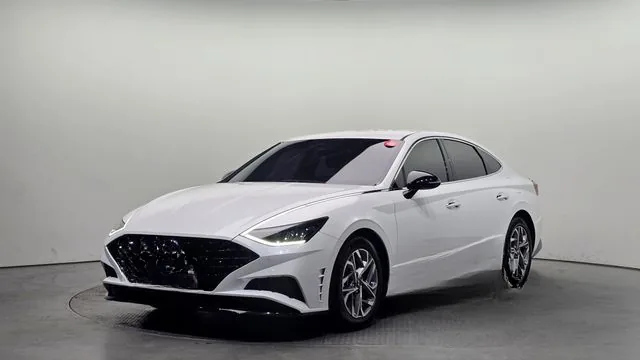
Owner changes, insurance claims, rental use and own-damage cover gaps in 1,001 Korean car history records, and how to read each field on a listing.
Read more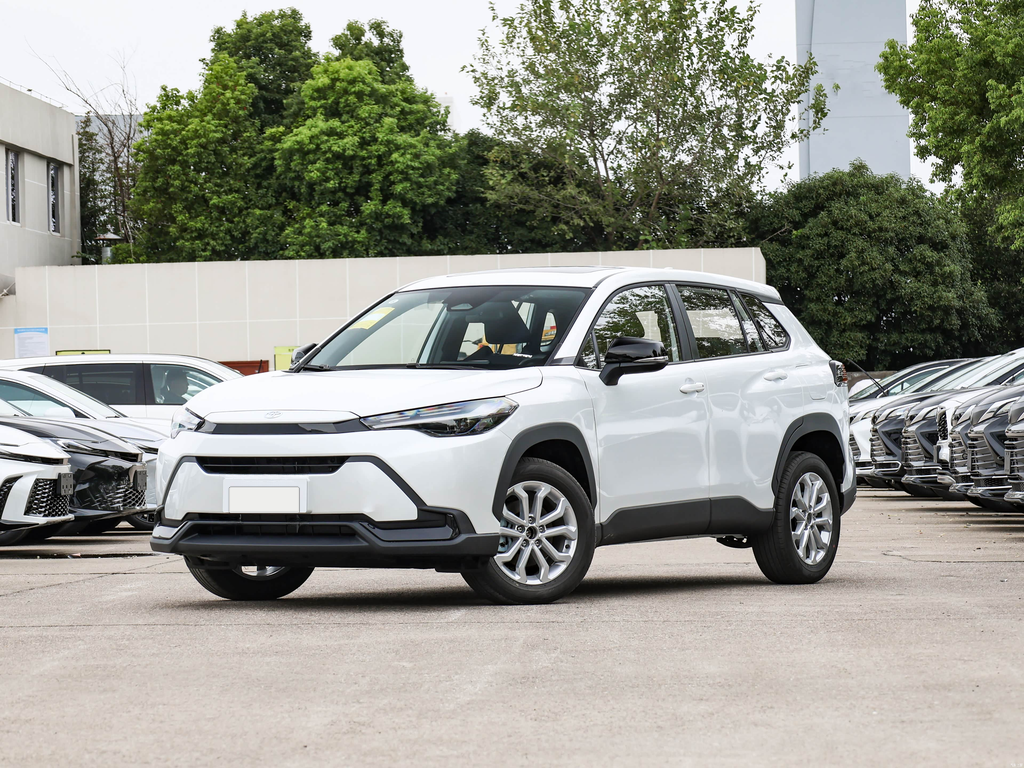
Median manufacturer guide price of 179,800 CNY (about 26,800 USD) across 259 new Chinese models, broken down by class, powertrain and price band.
Read more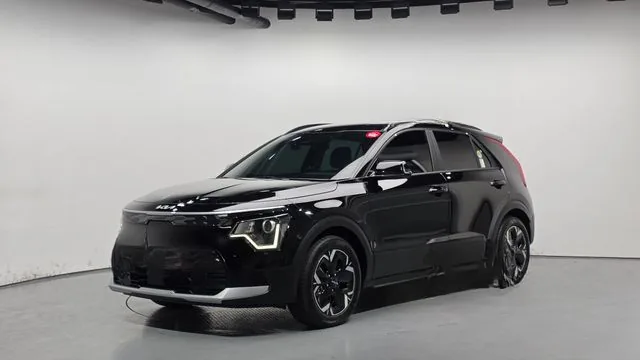
Kia Niro, Honda Accord, Sonata, K5, Camry, Prius and Kona: mileage, rental history and claims for 183 used hybrid and electric cars from South Korea.
Read more