
Used and new car export from China
Contact
-
Mon-Fri, 09:00 - 17:00
Loading
Used and new car export from China
By the NZCH Auto Export team. Data: Autohome specification sheets for 265 new Chinese models in our catalog, collected in April 2026 (two models added in August 2026).
Chinese spec sheets sort electrified cars into three groups that matter to a buyer: battery-electric cars (BEV), plug-in hybrids (PHEV) and extended-range electric vehicles (EREV, often written REEV in model names). All three plug in. The difference shows up in battery size, electric range, fuel use and price, and our catalog holds enough of each to compare them on real spec sheets rather than on definitions.
Of the 265 new models we compared, 70 are battery-electric, 24 are plug-in hybrids and 20 are range-extenders. The rest are petrol (117), conventional hybrids (16), 48-volt mild hybrids (16) and diesel (2). The labels come from the energy-type field on each model’s Autohome sheet.
| Median value | Plug-in hybrid (24) | Range-extender (20) | Battery-electric (70) |
|---|---|---|---|
| Battery capacity | 20.1 kWh | 33.4 kWh | 65.3 kWh |
| Electric range, CLTC | 125 km | 216 km | 536 km |
| Electric range, WLTC | 89 km | 170 km | not listed |
| Total range with fuel, CLTC | 1,280 km | 1,203 km | not applicable |
| Fuel use at minimum battery charge, WLTC | 5.8 L/100 km | 6.1 L/100 km | not applicable |
| Listed electricity use | 17.1 kWh/100 km | 19.1 kWh/100 km | 13.6 kWh/100 km |
| Fast charge, 30% to 80% | 20 min (8 models) | 15 min (14 models) | 30 min (23 models) |
| Maximum power | 101 kW | 110 kW | 160 kW |
| Manufacturer guide price in China | 179,800 CNY | 219,400 CNY | 195,800 CNY |
Not every sheet lists every field, so each median uses the models that have that figure. The combined-range figure, for example, comes from 8 plug-in hybrids and 16 range-extenders.
Range-extenders carry the bigger battery. The median EREV battery (33.4 kWh) is two thirds larger than the median PHEV battery (20.1 kWh), and its CLTC electric range is about 90 km longer. A range-extender is the closest of the two to an electric car you can refuel.
Plug-in hybrids use slightly less fuel once the battery is flat. With the battery at its minimum charge, the median WLTC figure is 5.8 L/100 km for the PHEVs and 6.1 L/100 km for the EREVs. The gap is small, and the EREVs in our data are mostly larger cars: 13 of the 20 are mid-size or full-size SUVs.
Range-extenders fast-charge quicker. Where the sheet lists a 30% to 80% fast-charge time, the median is 15 minutes for EREVs against 20 minutes for PHEVs. Fast charging is also more common on EREVs: 18 of 20 list a fast-charge time, against 12 of 24 plug-in hybrids. A battery-electric car takes longer, 30 minutes at the median, with a battery about twice the size. Our article on charging times of Chinese EVs has the details.
Battery-electric cars are the most efficient. Their listed electricity use (13.6 kWh per 100 km) is well below both plug-in types.
| Type | Most common classes | Brands with the most models in our catalog |
|---|---|---|
| Plug-in hybrid | Compact SUV (7), mid-size SUV (7), compact sedan (4), large MPV (3) | BYD (10), then Lantu, Changan, Fangchengbao, Trumpchi and Haval (2 each) |
| Range-extender | Mid-size SUV (9), full-size SUV (4) | Deepal (4), AITO, Avatr and Leapmotor (3 each) |
| Battery-electric | Mid-size SUV (20), compact SUV (10), executive sedan (10) | BYD and Zeekr (6 each), then BMW, ARCFOX and Mercedes-Benz (4 each) |
The pattern is clear: if you want a compact car or a smaller SUV with both a plug and an engine, the choice is mostly plug-in hybrids. If you want a large SUV with electric driving for daily use and an engine for long trips, range-extenders are the bigger group, including all four full-size SUVs of the three types. Five of the 20 EREVs are six-seaters.
Export paperwork has changed too: from 1 January 2026, export licensing covers new battery-electric passenger cars as well. Our guide to China car export rules and documents explains what the rule covers.
For electric and plug-in cars, we check the charging connector, the charging power and the battery condition from the data available for the car you choose. See all electric cars and hybrids from China, compare range figures in CLTC vs WLTC, or send us your shortlist through the contact page.
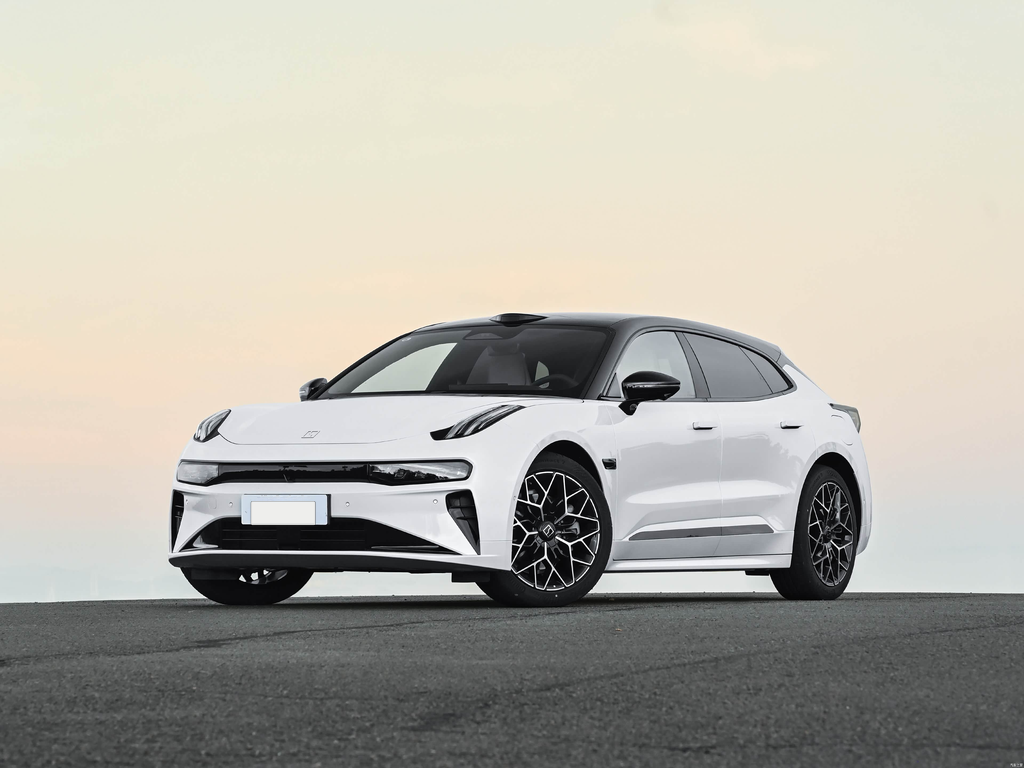
Fast-charge times for 112 Chinese EVs, plug-in hybrids and range-extenders: medians by charging window, high-voltage models and range added per minute.
Read more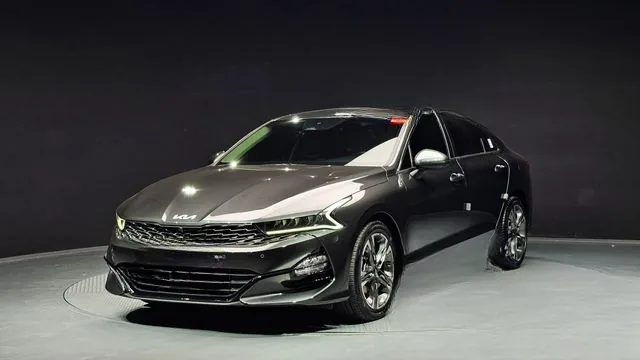
Hyundai Avante is the Elantra, Kia K3 the Cerato or Forte, Morning the Picanto. How Korean names match export names, with 259 listings from our catalog.
Read more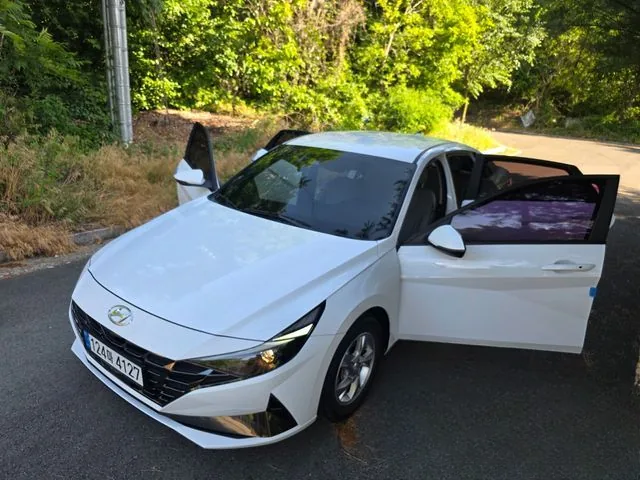
Median mileage, km per year and age for 19 used models from South Korea, measured on 1,016 Encar listings collected on 31 May 2026.
Read more